 Aurora CO Plumbers Den
How does a plumber find a leak you cannot see?
Water follows gravity and the path of least resistance, so a stain on a ceiling can sit several feet from the fitting that is actually weeping. A plumber works from the symptom back to the source and uses instruments so the wall or floor is opened once, in the right place.
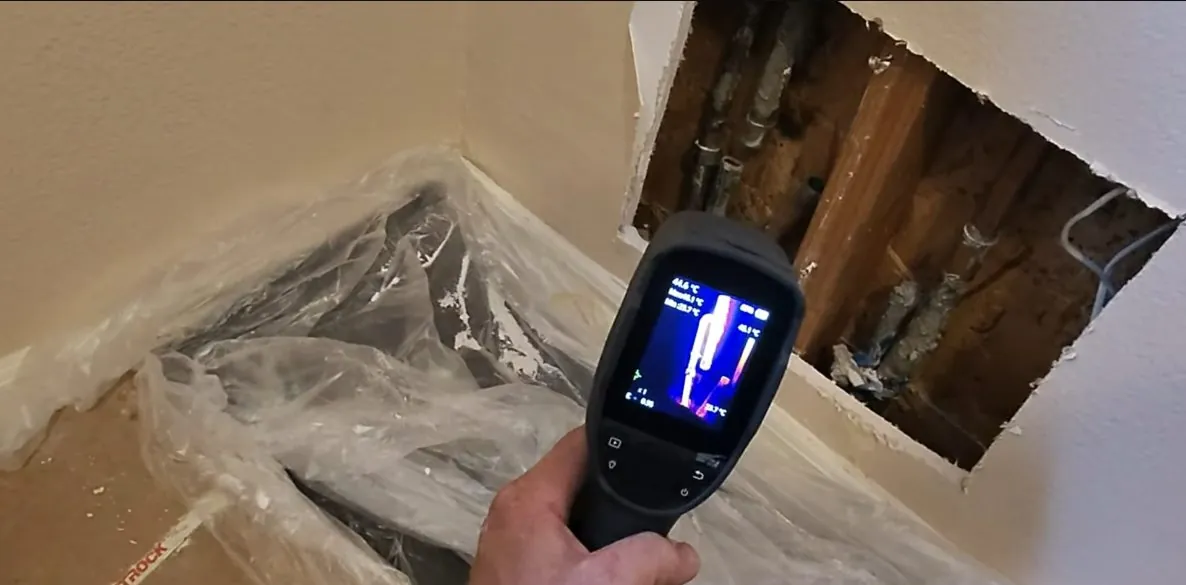
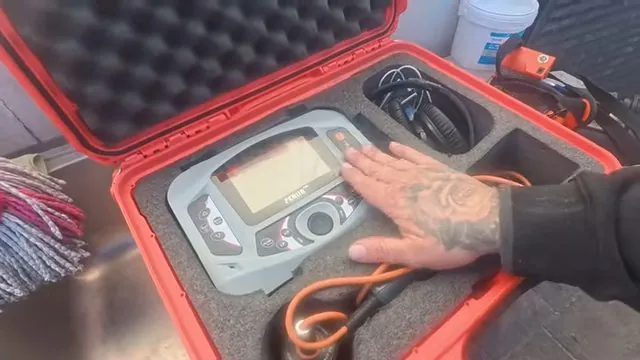
Listening equipment picks up the hiss of pressurized water escaping from a pipe. A moisture meter and a thermal camera show where material is wet or cooler than its surroundings. A pressure test isolates a section of supply line, and if the gauge falls, that section is losing water. Each method has limits: a thermal image shows a pattern, not a pipe, so the plumber usually combines two methods before cutting anything.
| What you notice | Likely source | What the plumber checks |
|---|---|---|
| Ceiling stain below a bathroom | Tub or shower drain, supply line or valve upstairs | Moisture readings, then each fixture run on its own |
| Musty smell or warped baseboard on an outside wall | A pipe in the wall or the line feeding a hose bib | Thermal image, then a pressure test of that line |
| Meter moving with every fixture off | A fitting, a supply line or a running toilet | Meter test, then pressure test of the supply lines |
| Soggy strip or unusually green lawn | A buried water or irrigation line | Listening survey along the line, then isolate sections |
| Warm spot on a floor | A hot line under the slab | Slab leak detection (see the slab leak page) |
| Sound of running water at night | A toilet flapper, a supply line or a pinhole in copper | Dye test, then listening at the wall |
Start with the meter: is it a leak or normal use?
Before anyone arrives, a five-minute test tells you whether water is leaving the system. It also gives the plumber a starting point.
- Close every tap and stop the washer, dishwasher and ice maker.
- Find the water meter and note the reading. Many meters have a small low-flow dial that spins when any water moves.
- Wait 30 minutes without using water, then read it again.
- If the dial moved, water is escaping somewhere. Close the main shutoff valve inside the house and check once more.
- If the meter still moves with the main valve closed, the leak is on the line between the meter and the house, which usually means the yard.
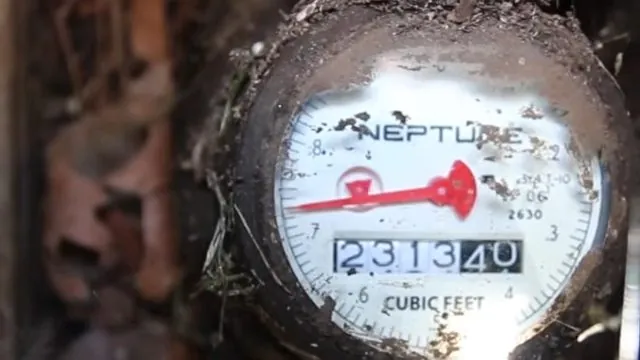
A bill that rises for no clear reason is often the first sign. Aurora Water bills the property owner, not the tenant, so a landlord who sees an unexplained jump should check with the tenant and run the same meter test (Aurora Water landlord resources).
Can a leak be repaired without tearing out the wall?
Often, yes, but the answer depends on where the leak sits and what caused it. A fitting that has loosened or a supply line that has cracked can be replaced through a small access opening. A pinhole in old copper is different: the metal around it is usually thin in more than one place, and a patch buys time rather than a fix.
Ask the plumber to tell you the cause, not only the location. A one-time failure, such as a split washer hose, is a repair. Repeated pinholes along the same run are the point where repipe starts to cost less than the next repair. A written note of the cause also helps with an insurance claim.
Stopping a leak is usually simple work, but swapping out a length of pipe can need a permit, so ask who applies for it. Permit questions go to the City’s Building Division Permit Center, 303-739-7420 (Aurora permits and inspections). The City follows the 2021 International Plumbing Code, with the state plumbing code taking over where it is stricter. To vet a company, use the City’s contractor lookup, which draws on the state credentials held on file.
A leak that will not wait for the weekend? Call now.
Call (303) 567-7524Hidden and underground leaks: walls, floors and the yard
A hidden leak is one you find through its effects: a swollen cabinet base, bubbling paint, a damp carpet edge or a patch of lawn that stays wet in dry weather. Water inside a wall can run down to a floor plate and show up far from the pipe, which is why the first job is a map of where material is wet. Rising indoor humidity, fogged windows or a musty smell can also point to water that is escaping out of sight.
Cold weather adds a risk in Aurora. The City code sets frost depth at 36 inches, and National Weather Service records for Denver put the average first freeze on October 7 and the last on May 5 (Aurora code 22-186). Pipes in outside walls, crawl spaces and the line to a hose bib are the usual victims, and a split from a freeze may not leak until the pipe thaws. Disconnect hoses and shut off exterior spigots before early October.
Under the concrete is a separate problem with its own methods, covered on the slab leak guide page. A leak between the meter and the house is a main water line job.
Fixture leaks: toilets, faucets, showers and supply lines
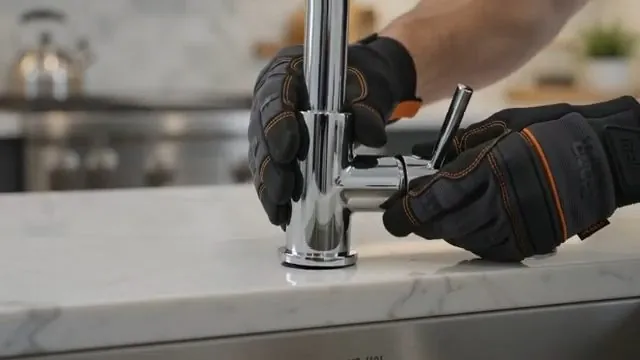
Most leaks live at a fixture. A toilet that runs on its own has a worn flapper or fill valve, and a few drops of dye in the tank will show a flapper leak without opening anything. A faucet that drips from the spout needs a cartridge or washer. Water under a sink usually comes from a supply line connector or a drain joint, and a dry paper towel held against each joint shows which one is wet.
A shower that leaks into the room below behaves like a ceiling stain: the pan, the valve or the drain seal is the suspect. Because that damage grows behind tile, a plumber will test the drain and valve before anyone suggests tearing out a wall.
Also covered on this call
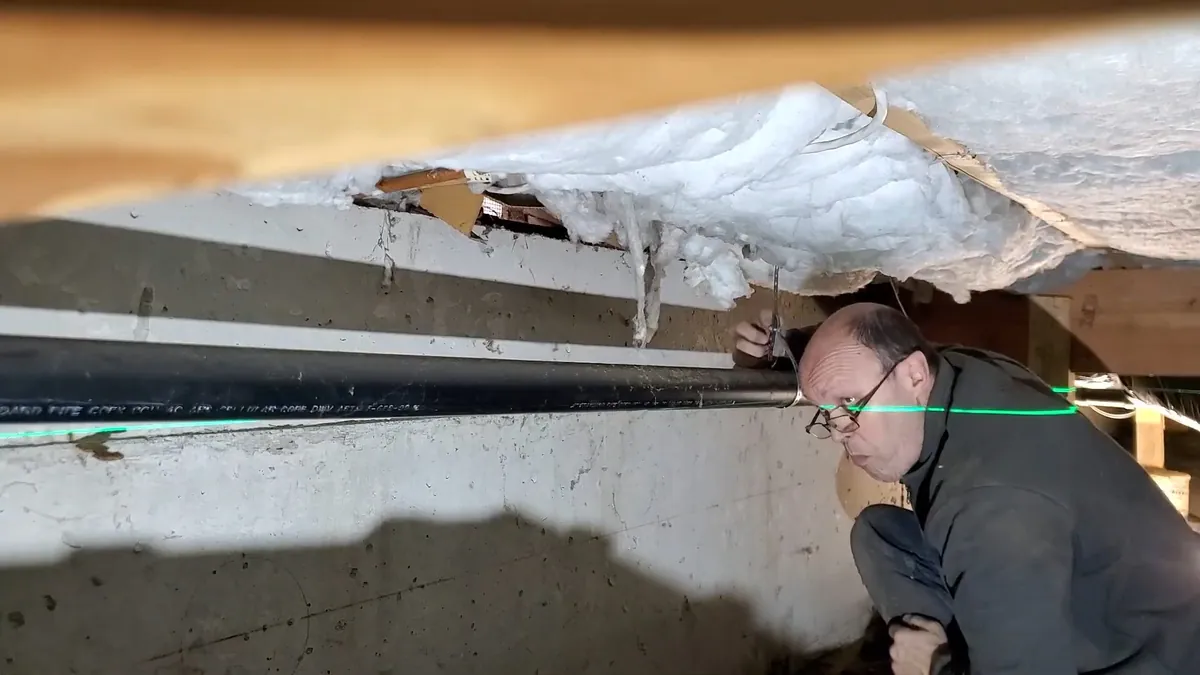
The same visit can cover wall and ceiling leaks, an electronic or thermal check of a suspect line, pressure testing of supply lines, basement and foundation plumbing, leaks under a house or in a crawl space, and outdoor sprinkler or hose bib lines. For an emergency, the dispatch line answers at any hour, and stopping the water comes first.
Methods and terms you may hear on a leak call
Plumbers use several tools to find water. Infrared leak detection shows temperature differences behind a wall, sonar leak detection and acoustic listening pick up the sound of escaping water, helium leak detection and hydrostatic plumbing testing check a closed line under pressure, and smart leak detection sensors can warn you of the next one. Ask which method is planned and why. Advanced leak detection technology helps most when the leak is hidden, and a good report ends with precise leak location notes and leak location documentation, such as photos and a marked sketch.
Residential leak detection and residential leak repair begin with a leak repair consultation: what you saw, when, and the leak history of the house. Check for visible leaks under sinks, around the heater and along attic plumbing, and watch for hidden leaks, because humidity hides leaks behind finishes. Ignoring small leaks lets them grow into major water leaks, and leaky ceilings causing water stains or leaky pipes causing hidden damage often point to structural damage from prolonged leaks. Even a leaky faucet repair is worth doing early, since leaks and water losses add up on the water bill, and plumbing maintenance and inspections catch many of them, so leaks found and fixed early are simpler to repair. Leak detection prices depend on the method and the access, which the cost page explains.
Leak questions people ask before they call
Water is dripping from a second-floor balcony ceiling. Is thermal imaging the right test?
Thermal imaging shows a temperature difference, which helps when the source is above or behind a surface. It does not name the pipe by itself.
The better plan pairs it with a moisture reading and, if a supply line is suspected, a pressure test. If the water only appears after rain, the source may be the roof or the balcony drain, not plumbing, and the plumber will say so.
A refrigerator water line is flooding the kitchen floor. What do I do first?
Pull the fridge out only if the floor is dry, then close the small shutoff valve on the line behind it. If there is no valve, shut off the main water valve.
Photograph the damage, mop up standing water so it does not reach cabinets, and call. A plastic line that cracked once is usually replaced with a new line and a shutoff valve at the same visit.
Why is my water bill high when nobody changed their habits?
A running toilet, a pinhole in a supply line or an underground leak can add up quickly because water moves around the clock. Do the meter test above: if the dial moves with everything off, water is leaking.
If the meter is still, ask whether an irrigation system, a pool fill or a new appliance changed. Landlords should remember that the account belongs to the owner, so a tenant’s leak shows up on the owner’s bill.
How do I know if a leak is underground?
Signs include a wet or unusually green patch of lawn, a drop in water pressure and a meter that keeps moving after you close the main valve inside the house.
Underground leaks are located by listening along the line and isolating sections. Call 811 before any digging; the locate covers public utilities, and private water lines need a private locator (Colorado 811).