 Aurora CO Plumbers Den
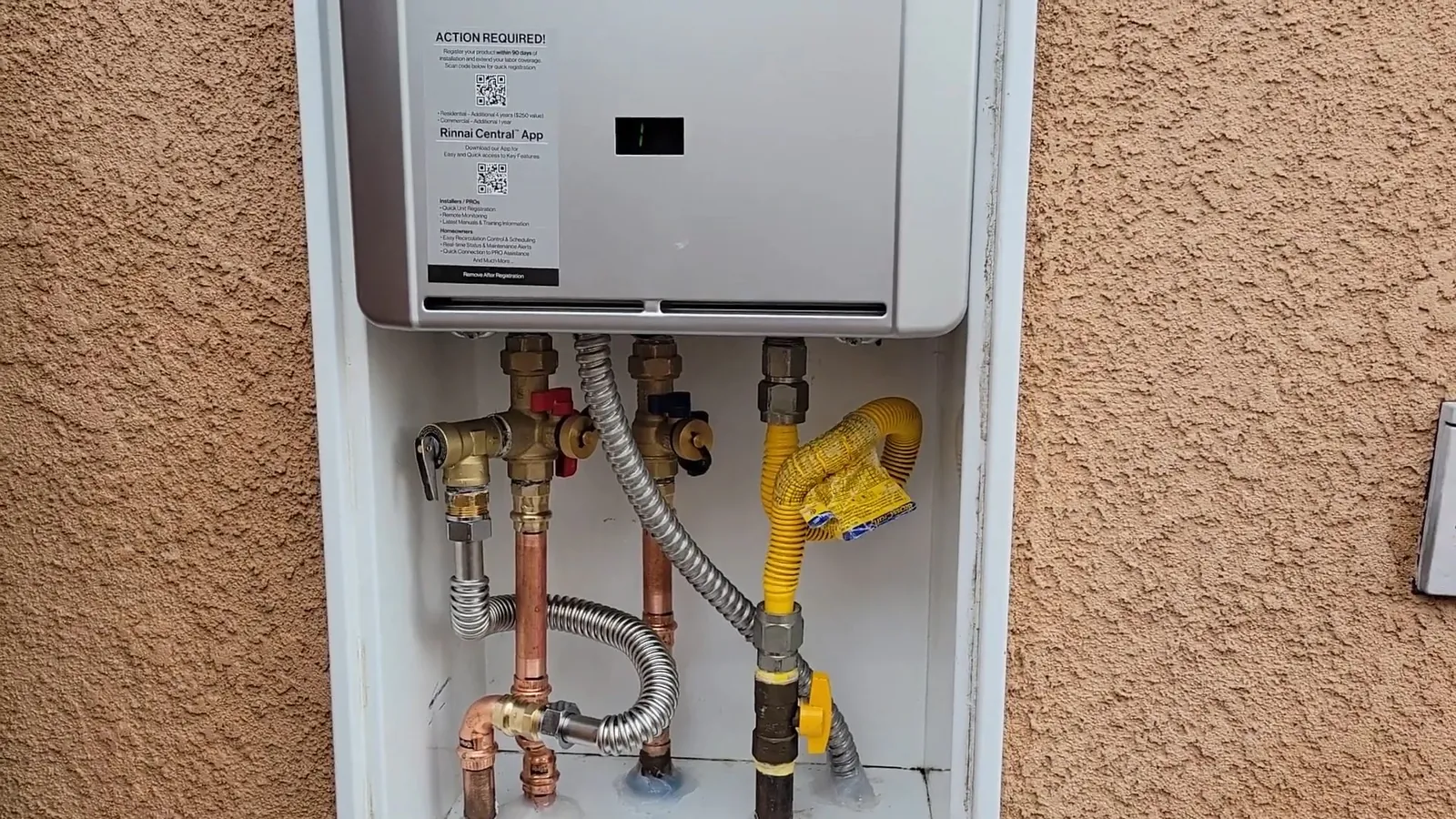
Tankless repair: what the symptoms usually mean
| What you notice | Likely cause | What a plumber checks |
|---|---|---|
| Hot, cold, hot again | Low flow, scale in the heat exchanger or a failing sensor | Flow rate, inlet screen and a flush |
| Error code on the display | Ignition, venting, flame or temperature fault | The code, the vent and the gas supply |
| Lukewarm at every fixture | Undersized unit, partly blocked water side or a gas pressure issue | Gas pressure and heat exchanger condition |
| No hot water at all | Power loss, a tripped safety, a gas supply interruption | Power, gas valve, condensate drain on condensing units |
| Water leak under the unit | A fitting, a condensate line or the heat exchanger | Each joint and the condensate path |
Many tankless faults are about what goes into the unit rather than the unit itself. A clogged inlet filter, a closed isolation valve or a vent that has been partly blocked all produce the same symptoms as a failing part. A good plumber starts with those before replacing anything.
Flushing and descaling in moderately hard water
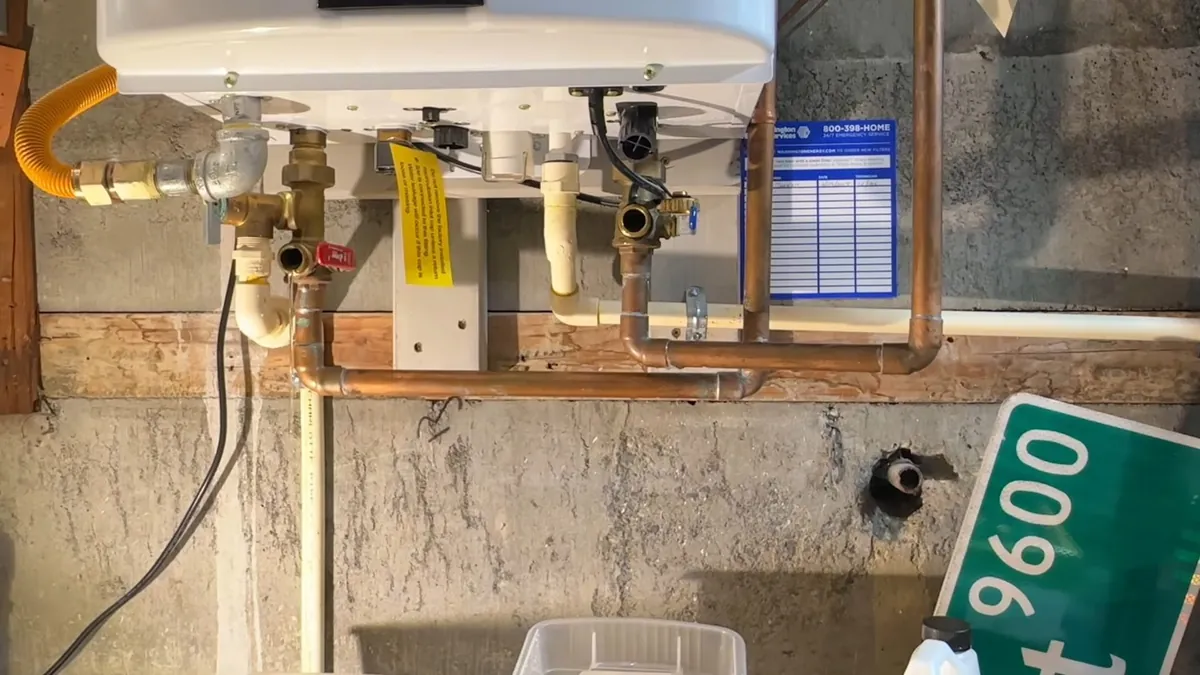
Minerals in the water coat the heat exchanger of a tankless unit as it heats, and the coating cuts flow and efficiency. Flushing circulates a mild acid solution through the exchanger to dissolve the scale, using isolation valves that most units have. Aurora’s 2026 water quality report gives average hardness of 136 ppm, roughly 8 grains per gallon, with a daily swing from 87 to 198 ppm (the report). Moderate hardness like that makes a regular flush sensible, while a softener stays optional.
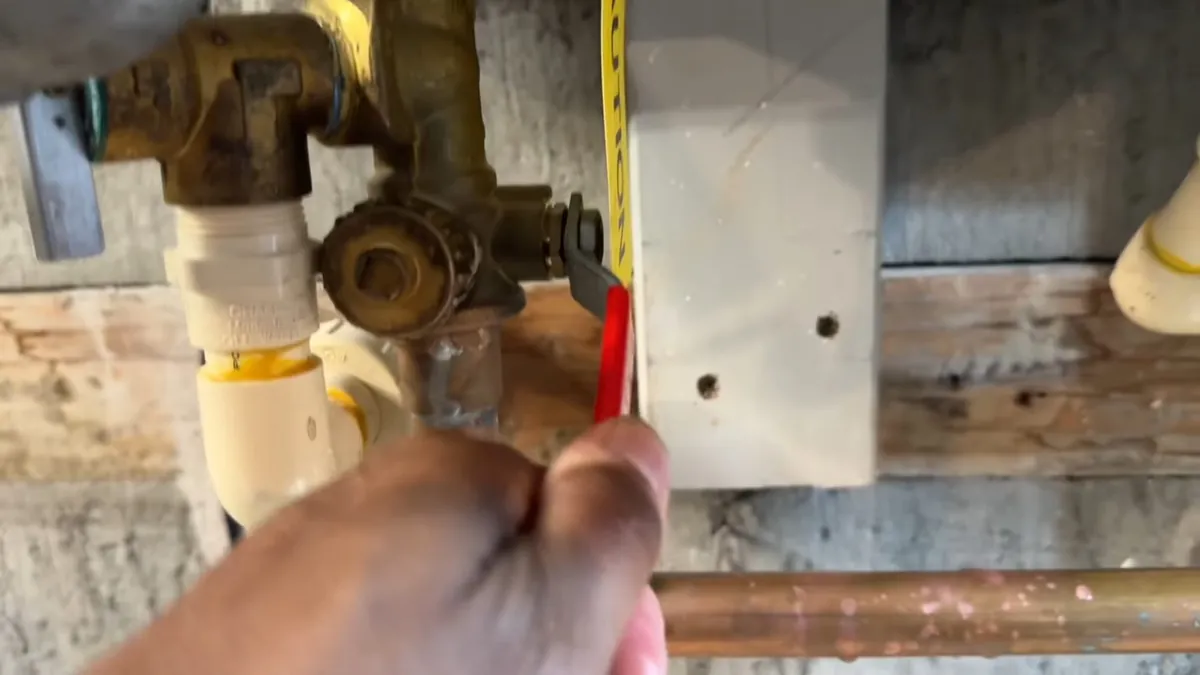
Ask the plumber for the schedule the manufacturer recommends and whether your unit has the service valves for it. A unit installed without isolation valves can be fitted with them at the first visit. The softener page explains how to decide whether treating the water makes sense.
Unit failing or due for a flush? Call the dispatch line.
Call (303) 567-7524Tankless or another tank? A scenario
Consider a household of four with a gas tank heater that is eleven years old and starting to leak at the base. The tank is finished, so the choice is another tank or a tankless unit. Tankless gives hot water without a storage tank, takes less floor space and can last longer if it is flushed, but it needs a larger gas line, a vent that suits it and a plan for how many fixtures run together.
| Question | Tank heater | Tankless heater |
|---|---|---|
| Storage | Holds a fixed volume that can run out | Heats on demand with a flow limit |
| Gas line and vent | Standard connection | Often needs a larger gas line and a specific vent |
| Maintenance | Flush tank, check anode rod | Flush heat exchanger, clean inlet screen |
| Failure | Tank leaks from the steel | Parts fail; the unit can be repaired |
Installation: gas line, vent and permit
The state’s plumbing board applies the same rule to a tankless unit as to a tank: a licensed plumber, a permit and an inspection (State Plumbing Board memo). Owners may only do their own work where they live, with no plan to sell, flip or rent the house (DORA addendum).
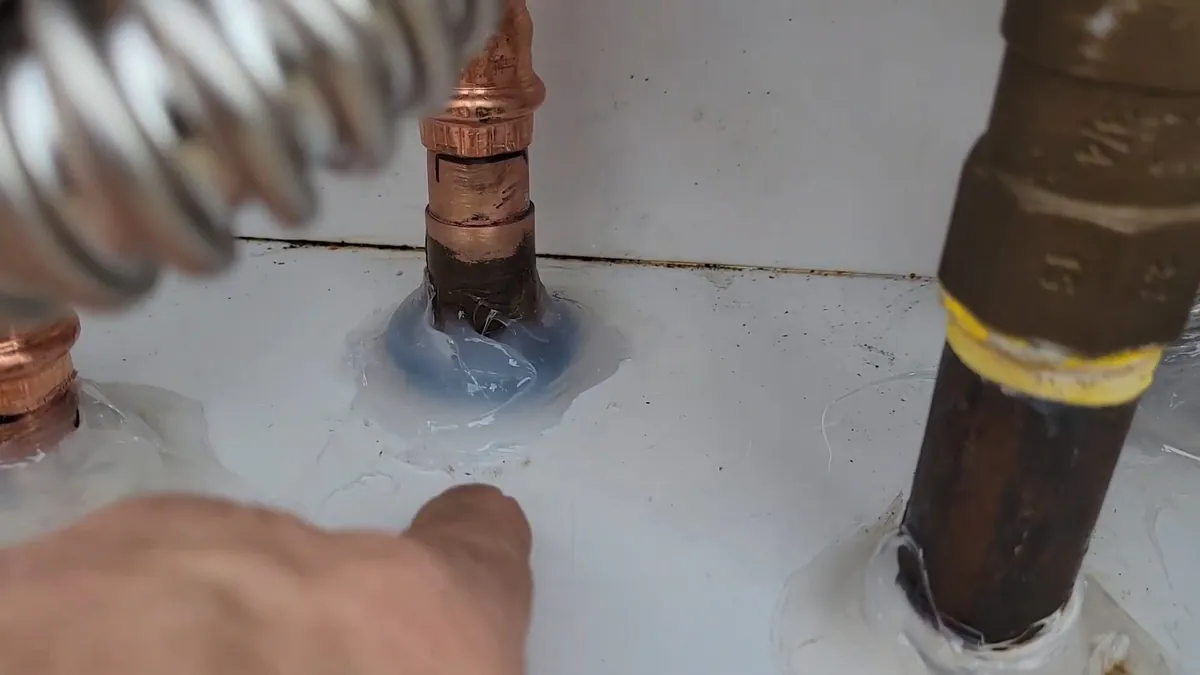
A tankless gas unit often asks for a gas line larger than the one serving a tank, because it burns more fuel at once. Have the plumber measure the demand of every gas appliance and say whether the existing line can carry it. A gas line upgrade is its own permit, covered on the gas line page. The Permit Center will talk through the paperwork at 303-739-7420 (permit information).
Replacement and conversion from a tank
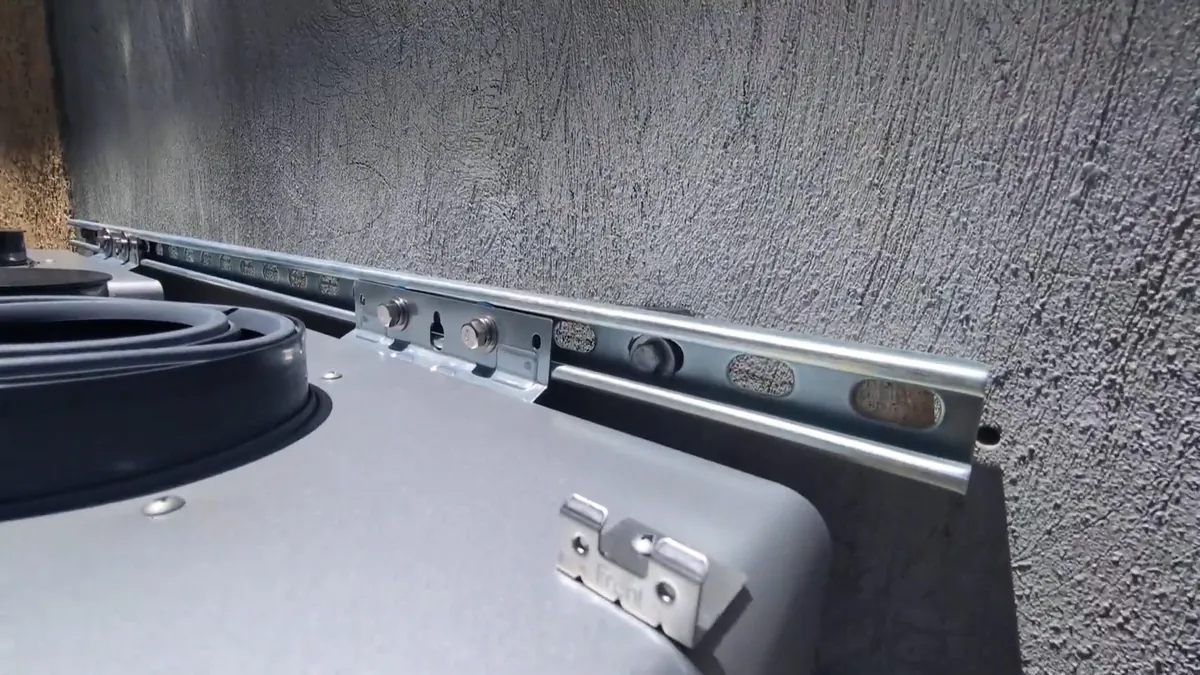
Converting from a tank to tankless means new vent materials, a larger gas line in many homes, a place on the wall, a condensate drain if the unit is condensing and electrical power for the controls. Ask for the whole scope, including patching where the old vent came out.
Brands, gas or electric, and what to ask
Brands differ in parts availability and in how easy it is to flush the unit. Ask whether parts are stocked locally, whether the unit has isolation valves and what the warranty requires for maintenance. Electric tankless units draw a large current and often need a new circuit, so check the panel before choosing one.
Tankless water heater questions
How do I flush and descale a tankless water heater, and how often?
Aurora’s water is moderately hard, so the scale builds slowly rather than quickly. Follow the manufacturer’s schedule and flush sooner if the unit shows temperature swings or error codes.
The plumber connects hoses to the service valves and circulates a descaling solution through the heat exchanger. A unit without valves can have them added.
Is tankless better than a tank for my house?
Imagine a family that runs two showers and a dishwasher at the same time. A tankless unit sized for that flow can keep up, but only with a gas line and vent that suit it. A tank handles the load with stored hot water but can run out.
The plumber checks the gas line, the vent route and your peak use before suggesting either.
My tankless heater is not working. What do I do now, and what can wait?
Do now: if you smell gas, leave and call 911, then Xcel Energy at 800-895-2999. Check that the unit has power and that the gas and water valves are open.
Can wait: an error code with some hot water still running, a short temperature swing or a noisy flame. Note the code and call during normal hours unless there is a leak.