 Aurora CO Plumbers Den
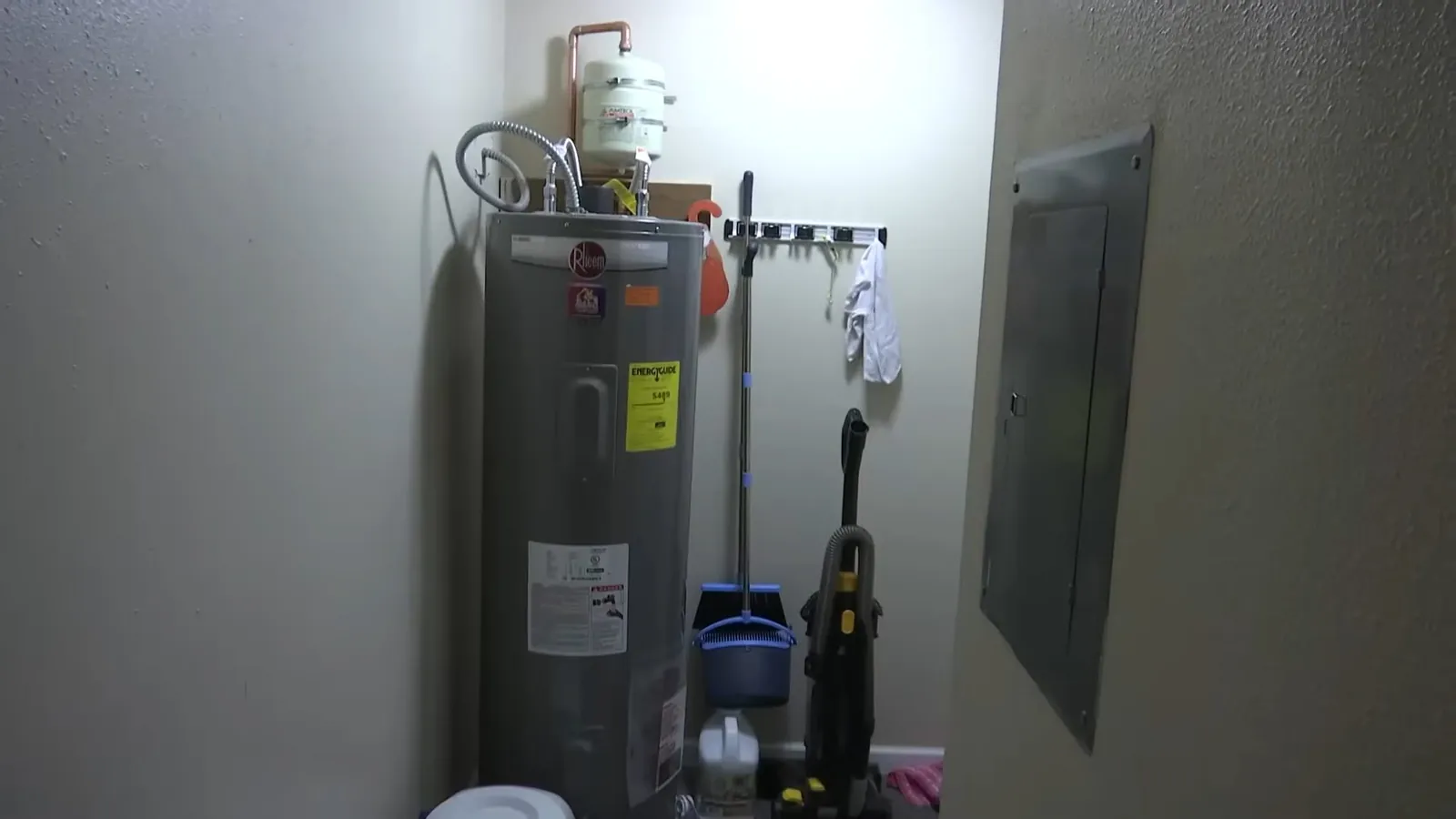
Who may install or replace a water heater in Colorado
A memo from the Colorado State Plumbing Board, dated 2025-12-03, treats a domestic water heater swap as work for a state-licensed plumber employed by a registered plumbing contractor, with a permit and a local inspection (State Plumbing Board memo). One narrow exception follows in a DORA addendum: owners may do their own, but only in a home they live in that is not being sold, flipped or rented (DORA addendum).
For most households the practical result is simple: hire a licensed plumber and expect a permit and an inspection. Landlords, sellers and anyone planning to list the home soon fall outside the owner exception, so a plumber is required. Plumbers in our network work independently, so ask for their license details before the job starts.
Same fuel or switch? Gas, electric, hybrid and heat pump
| Type | What it needs | Points to weigh |
|---|---|---|
| Gas tank | Gas line, vent through the roof or wall, combustion air | Venting and gas line size decide whether a swap is straightforward |
| Electric tank | Dedicated circuit and breaker sized to the heater | No vent; check the panel has capacity |
| Hybrid or heat pump | Electric circuit, space around the unit, a condensate drain | Needs air volume and a drain; cools the room it sits in |
| Point-of-use or under-sink | Small electric unit near one fixture | Supplements a main heater; does not replace it |
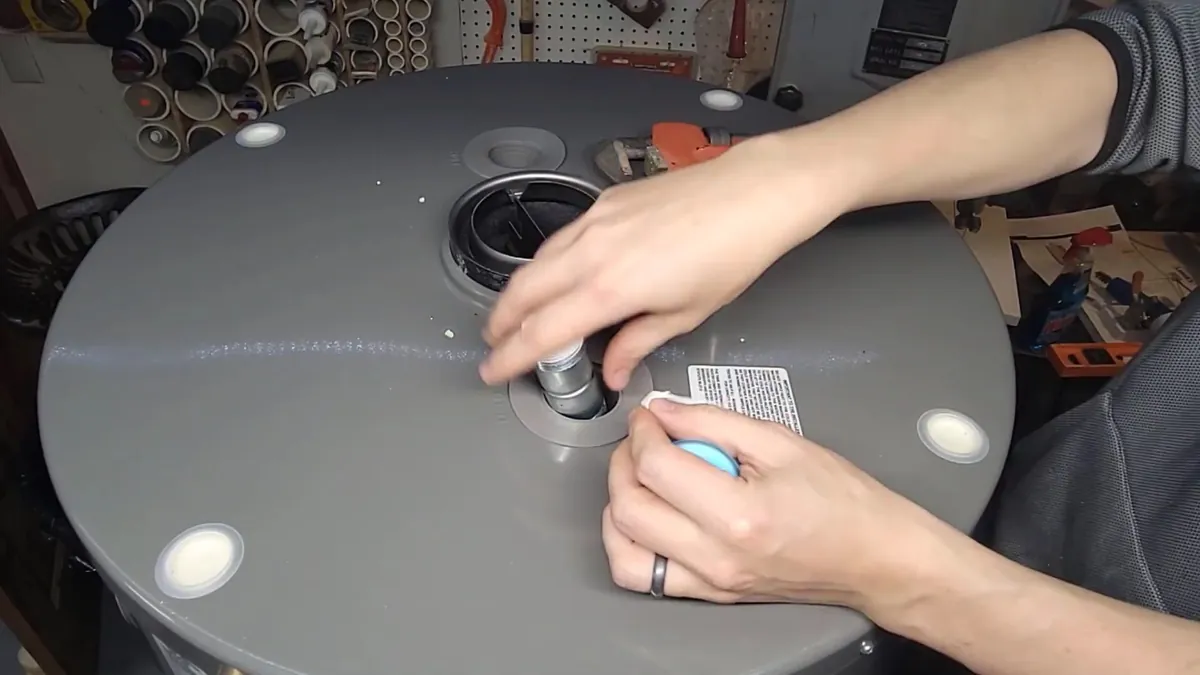
Switching fuel changes the job. Gas to electric means a new circuit and no flue. Electric to gas means a gas line, a vent and a permit for that work. Ask the plumber what the switch adds to the scope in writing, so two quotes can be compared on the same terms.
Need a heater replaced? Call the dispatch line.
Call (303) 567-7524What a complete installation includes
A bare heater price leaves gaps. A complete installation covers the parts that make the unit safe and code-compliant, and the quote should name each.
- The heater, set in a drain pan piped to a safe location where a leak would damage a floor.
- Venting for a gas unit, sized and sloped correctly, and a gas connection with a shutoff and a sediment trap.
- A temperature and pressure relief valve with a discharge pipe run to a safe point.
- New shutoff valves and flexible connectors on the water lines.
- An expansion tank where the plumber determines the system is closed, for example with a check valve or a pressure-reducing valve.
- The permit, the inspection and haul-away of the old unit.
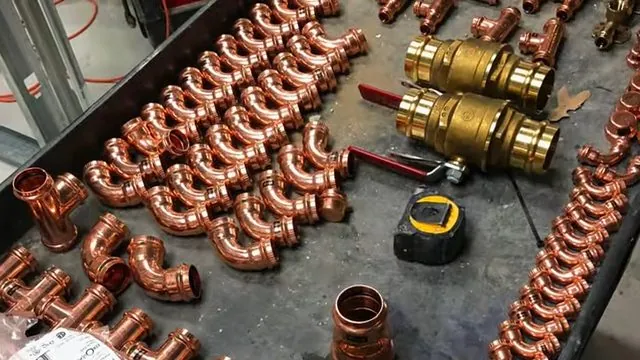
An expansion tank absorbs the extra volume when water heats up inside a closed system. Without a place for that volume to go, pressure climbs and the relief valve can start to weep. The plumber checks for a check valve or regulator and sizes the tank to the system.
How many gallons do you need?
Size follows how much hot water the household uses at once. Count the people in the house, note which fixtures often run at the same moment, and read the first-hour rating on the label. That rating is the amount a tank delivers in its first hour of heavy use, and it matters more than the tank’s gallon label.
A tank that keeps running out may be too small, or it may be full of sediment. In its 2026 report, Aurora Water puts average hardness at 136 ppm, roughly 8 grains per gallon, within a daily range of 87 to 198 ppm (water quality report). That is moderately hard water. Ask whether the old unit was sized correctly and whether scale shortened its life before choosing a bigger one.
Permit, inspection and code
The Permit Center in Aurora’s Building Division is the place for permit questions, on 303-739-7420 (City Permit Center page). Aurora has adopted the 2021 International Plumbing Code, and the state code governs where it is stricter. Find out who files the permit, how the inspection gets scheduled and whether someone has to be home.
Plumbing licenses come from the state, and a contractor who pulls permits in Aurora has its credentials on file with the City, where the online lookup lets you see them.
Replacing a heater in a hurry
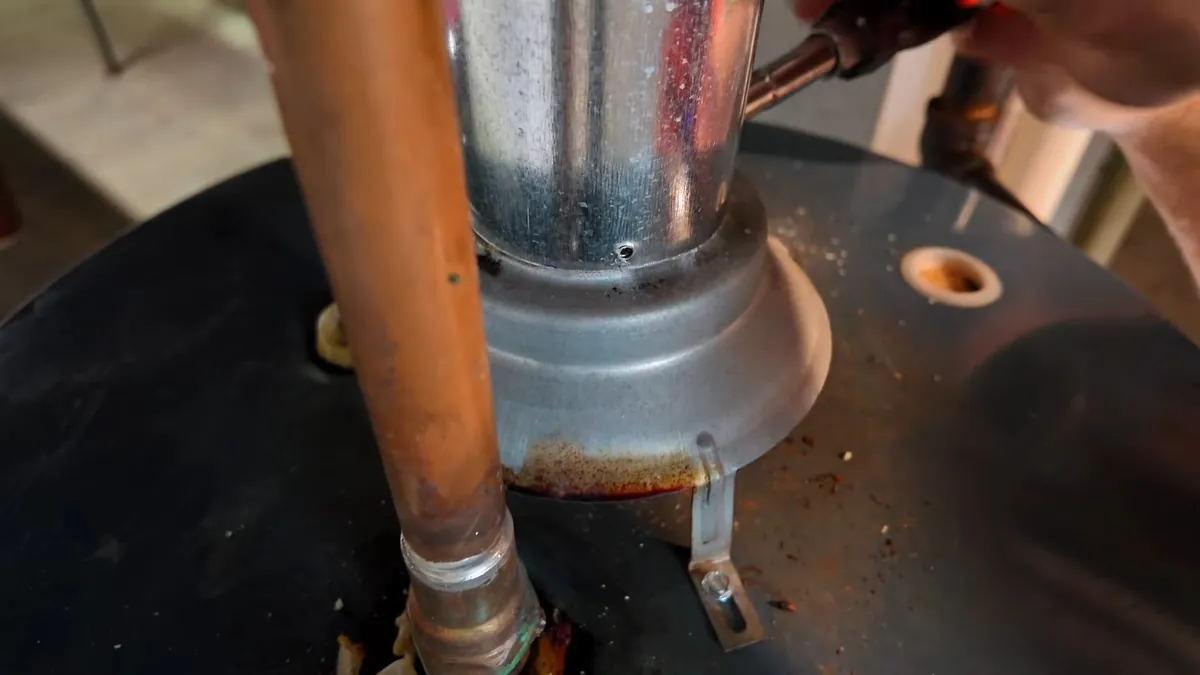
A dead or leaking heater feels like an emergency, and sometimes it is. Whether a replacement can happen the same day turns on the address and on which plumbers are open, and the dispatcher says so on the call. Have these ready to speed things up.
- Shut off the cold water to the heater and its power or gas.
- Note the fuel type, the age and the model number on the label.
- Measure or photograph the space, including the vent and the pan.
- Say whether the home is owner-occupied, a rental or for sale.
Choosing an installer, and comparing tank and tankless
Ask for license details, a written scope that lists the parts above and a plan for the permit. An installer who skips the permit is the one to avoid, because the inspection is the check on venting and relief-valve work. If you are weighing an on-demand unit instead of a tank, the tankless water heaters page explains the trade-offs.
Expansion tanks repair or replacement belongs in the same conversation as a new heater, because a failed expansion tank can overpressure the system.
Water heater installation questions
Should I stay with my current fuel, or switch to gas, electric, hybrid or heat pump?
Picture a house with an electric tank, a full panel and no gas line near the utility room. Staying electric is the simplest swap. A heat pump unit needs air volume and a condensate drain, so it suits an open garage or basement better than a closet.
Switching to gas adds a gas line and a vent. Ask the plumber what the switch adds to the scope.
A pipe burst under the house after my water heater was replaced. What do I do?
Shut off the main water valve first, then call. Say that the heater was recently replaced so the plumber looks at the connections made at that job.
Keep the invoice and the permit information. Ask the original installer to look at the work, and photograph any damage before cleanup.
What size water heater do I need?
Size depends on how many people use hot water and which fixtures run together. If the old unit ran out, check the first-hour rating on its label and ask whether sediment was the problem.
Sizing follows the household, not the old tank’s gallons.
How do I choose an installer or a company for a water heater?
Two options: a plumber you already know, or one reached through our dispatch line. Either way, ask for license details, a written scope and the permit plan.
The City’s contractor lookup shows what a company holds on file. Avoid anyone who proposes to skip the permit.
Do I need a plumber for water heater installation?
Yes in most cases. Colorado requires a licensed plumber working for a registered plumbing contractor, plus a permit and an inspection. The only exception is an owner doing their own home when it is owner-occupied and not for sale, resale, a flip or a rental.
Landlords and sellers always need a licensed plumber.