 Aurora CO Plumbers Den
Where is the water coming from? Confirming a slab leak
A slab leak, sometimes called an under-slab leak, is a leak in a water line that runs under or inside a concrete floor slab. The slab hides it, so the evidence is indirect. The common signs are a floor that feels warm in one spot, the sound of running water when every fixture is off, a water bill that climbs without a reason, a drop in hot water pressure and damp patches that appear on flooring or along baseboards.
- Warm spot on the floor that follows a hot water line.
- Meter movement with every fixture closed and the main valve inside the house shut.
- Hissing or running sounds from the floor late at night.
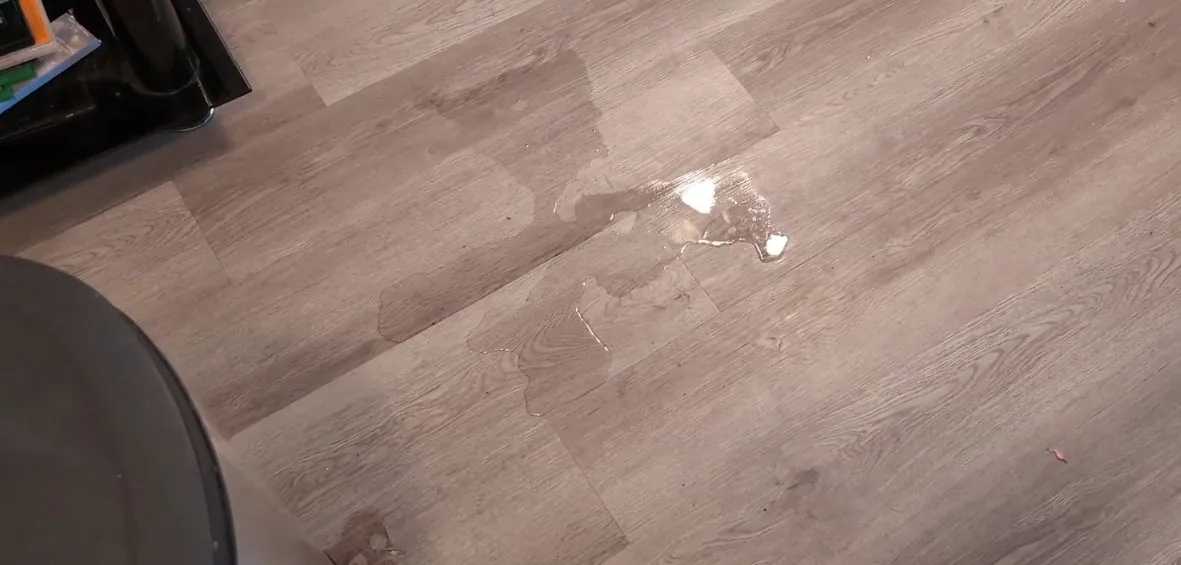
- Wet carpet, lifting laminate or a damp wall base with no fixture nearby.
- Low hot water pressure or a water heater that seems to run constantly.
Several of these also fit other problems, such as a running toilet or a leaking water heater, which is why the first visit rules those out. The meter test described on the leak finding page separates a leak from normal use. If the meter moves and the sounds come from the floor, the plumber moves to location.
How a plumber locates a leak under the concrete
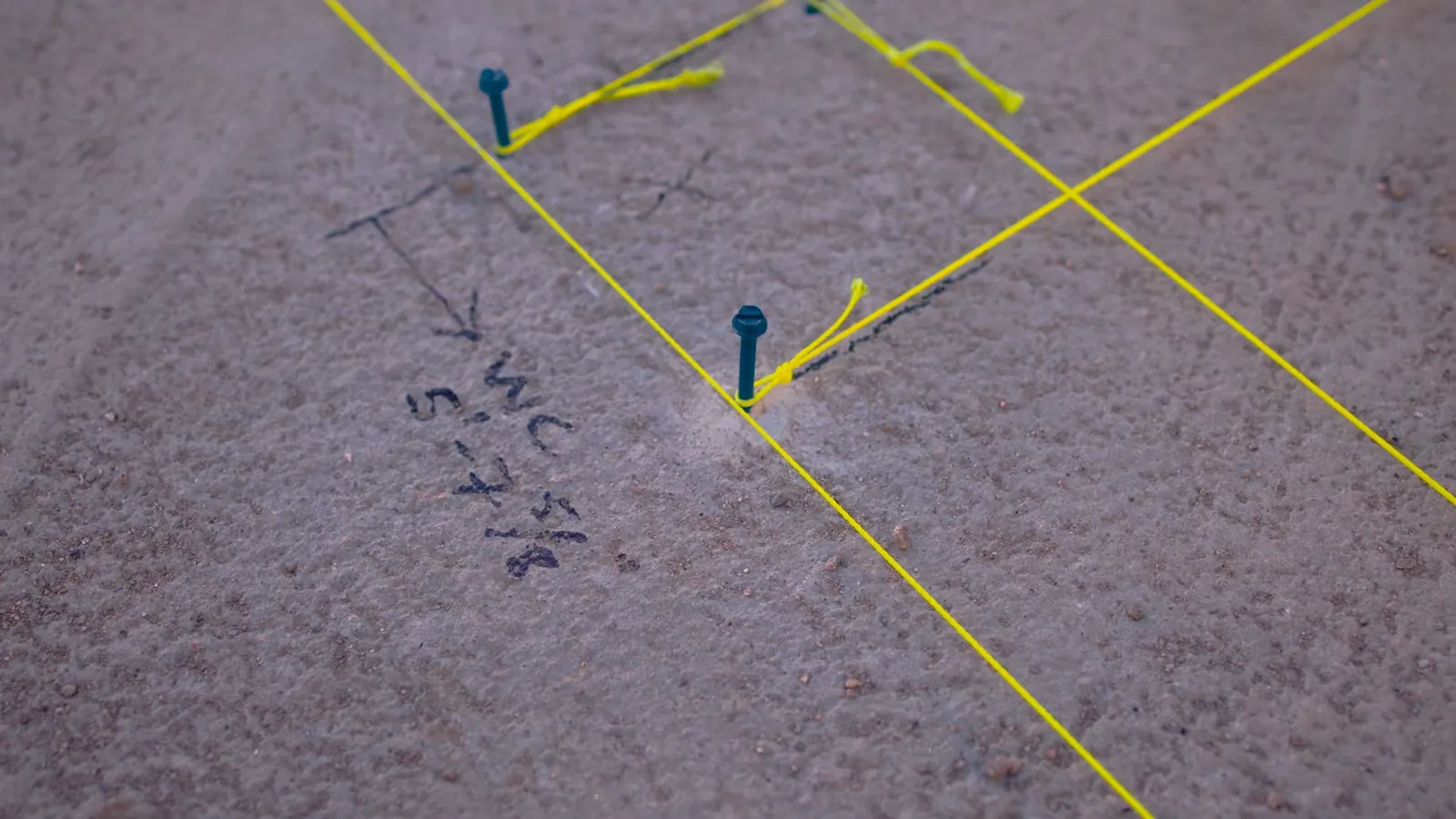
Location is the step that decides how much concrete gets opened. The plumber isolates each supply line, listens for the sound of escaping water with an electronic device, and uses a thermal camera to follow the heat of a hot line across the floor. Marking the path on the floor before any cutting keeps the opening small.
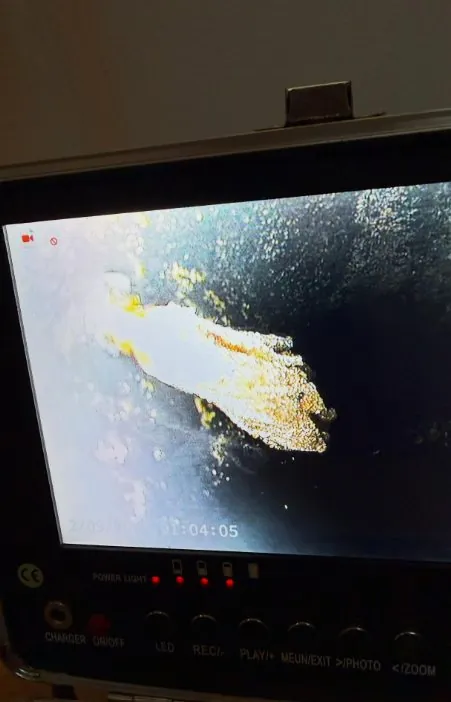
Expect the plumber to explain which line is leaking, how deep it runs and how confident the location is. If the plan involves cutting, ask for the spot to be marked first and for photographs of the leak once it is exposed. Those photographs are useful if an insurance claim follows, and a written account of the cause and the repair method belongs in the same file.
Warm floor or a bill that jumped? Call the dispatch line.
Call (303) 567-7524Repair in place, reroute or repipe? The options for a slab leak
Once the leak is found, there are three broad paths, and the right one depends on how the lines run, how many leaks the system has had and what the plumber finds when the line is exposed.
| Method | What it involves | When it tends to fit |
|---|---|---|
| Spot repair through the slab | Open the concrete over the leak, cut out the bad section and join new pipe | One leak, accessible line, pipe otherwise in good shape |
| Reroute overhead | Abandon the leaking line and run new pipe through walls or the attic | A line that keeps leaking, or one that is hard to reach under the slab |
| Epoxy or lining | Coat the inside of the existing pipe to seal pinholes | Suited to some pipe conditions and not others; the plumber confirms |
| Whole-house repipe | Replace the supply system, usually through walls and ceilings | Several leaks, aging pipe, or a plan to stop chasing repairs |
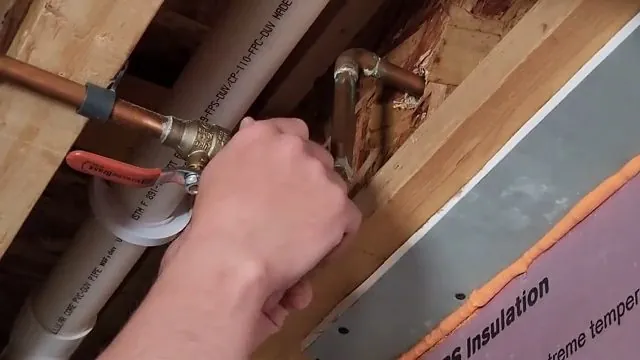
A spot repair is the least disruptive and the lightest in labor, but it treats one failure. If the same line has leaked before, or the pipe that was exposed looks pitted along its length, a reroute or a repipe addresses the cause. repiping explains what a whole-house replacement involves.
Concrete, soil and why slabs leak
Lines under a slab can fail from corrosion, from a manufacturing flaw, from abrasion where a pipe rubs against concrete or gravel, and from movement. The Colorado Geological Survey calls expansive soil and rock the state’s most damaging geologic hazard, and notes that swelling claystone occurs in the Denver and Arapahoe formations under the Denver area (Colorado Geological Survey). Swelling and shrinking ground can strain a buried line, and cracked slabs or a heaved driveway are signs that soil is moving.
Water that keeps escaping under a slab can also soften the soil beneath it, which adds foundation questions to a plumbing problem. That does not mean any one Aurora street has a problem. It means that when a slab has cracked or a driveway has heaved, the plumber should look at the buried lines as well as the one that is leaking, and a camera inspection of the sewer line is a sensible add-on.
Permits, licensing and what to ask
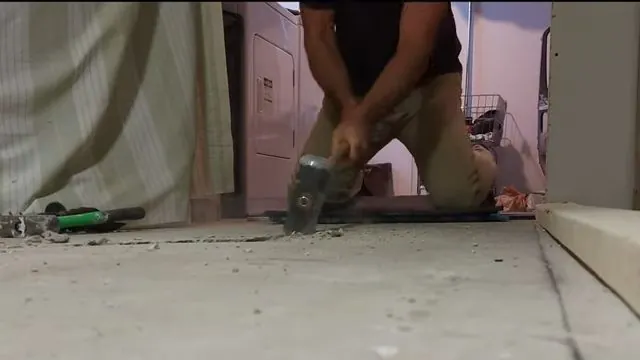
Cutting the slab and laying new pipe can call for a permit. The Permit Center in the City’s Building Division takes questions on 303-739-7420 (Aurora permits and inspections). Ask which party files the permit and what the inspection timeline looks like, because that timing affects how fast the floor can be closed.
Contractors working in Aurora keep a state master plumber license and a contractor registration on file with the City, and the City’s contractor lookup shows them. You can also ask for the details before any work starts.
- Where exactly is the leak, and how was it confirmed?
- Which method do you recommend, and what is the second-best option?
- How much concrete and flooring will be opened, and who restores it?
- What will you document for insurance?
- Does the repair need a permit, and who pulls it?
Also covered: insurance, emergency calls and signs
A sudden slab leak is an emergency because water keeps flowing under the floor and into the house. The dispatch line answers at any hour. Insurance policies differ on slab leaks and on the cost of reaching them, so keep the plumber’s written findings, the photographs and the repair invoice together before you call your insurer.
Slab leak terms, house types and early signs
To find a slab leak, plumbers combine listening gear, thermal imaging and pressure tests. Spotting a slab leak early helps, because slab leaks causing foundation issues and slab and hidden leaks under flooring get worse the longer they run. Suspected leaks in a slab, a wall or the yard each call for a different search. Slab leaks in mid-century homes often involve older copper or galvanized lines, while slab leaks under newer homes more often involve fittings or pinholes. Ask for slab leak solutions in writing, including a rerouting option, and if the plumber who finds the leak also repairs it. Basement and foundation plumbing is a related topic when a house has a lower level instead of a slab.
Slab leak questions
How do I know if I have a slab leak and not another kind of leak?
Picture a home where the hot water runs out sooner than it used to, the bill is higher and one patch of the kitchen floor feels warm. No fixture is leaking and the meter moves with everything off. That pattern points under the floor.
A plumber confirms it by isolating lines and listening, since a running toilet or a leaking water heater can look similar from the outside.
What are the signs of a slab leak, and what can wait?
Act the same day on a warm floor, a meter that moves with everything off, wet flooring or the sound of water from the floor. These mean water is flowing now.
A slightly higher bill or a faint change in water pressure can wait for a scheduled visit, but check the meter first so you know whether it is a leak.
What does a slab leak look like from the outside?
Often it does not. The leak sits under the concrete, so you see the effects: warm patches, damp flooring, a rising bill and sounds at night. Start with the symptom you can see, then run the meter test.
If a patch of flooring is wet, move furniture and rugs away and call, because moisture left in place can damage the subfloor and walls.
Tunnel, reroute or epoxy: which repair method is better?
A reroute replaces the leaking line with new pipe through walls or the attic. Choose it when the line is hard to reach or has leaked before. Epoxy or lining seals the inside of the pipe and fits only some pipe conditions.
A spot repair through the slab is the most direct when one accessible section has failed. Ask the plumber why the recommended method fits your lines.