 Aurora CO Plumbers Den
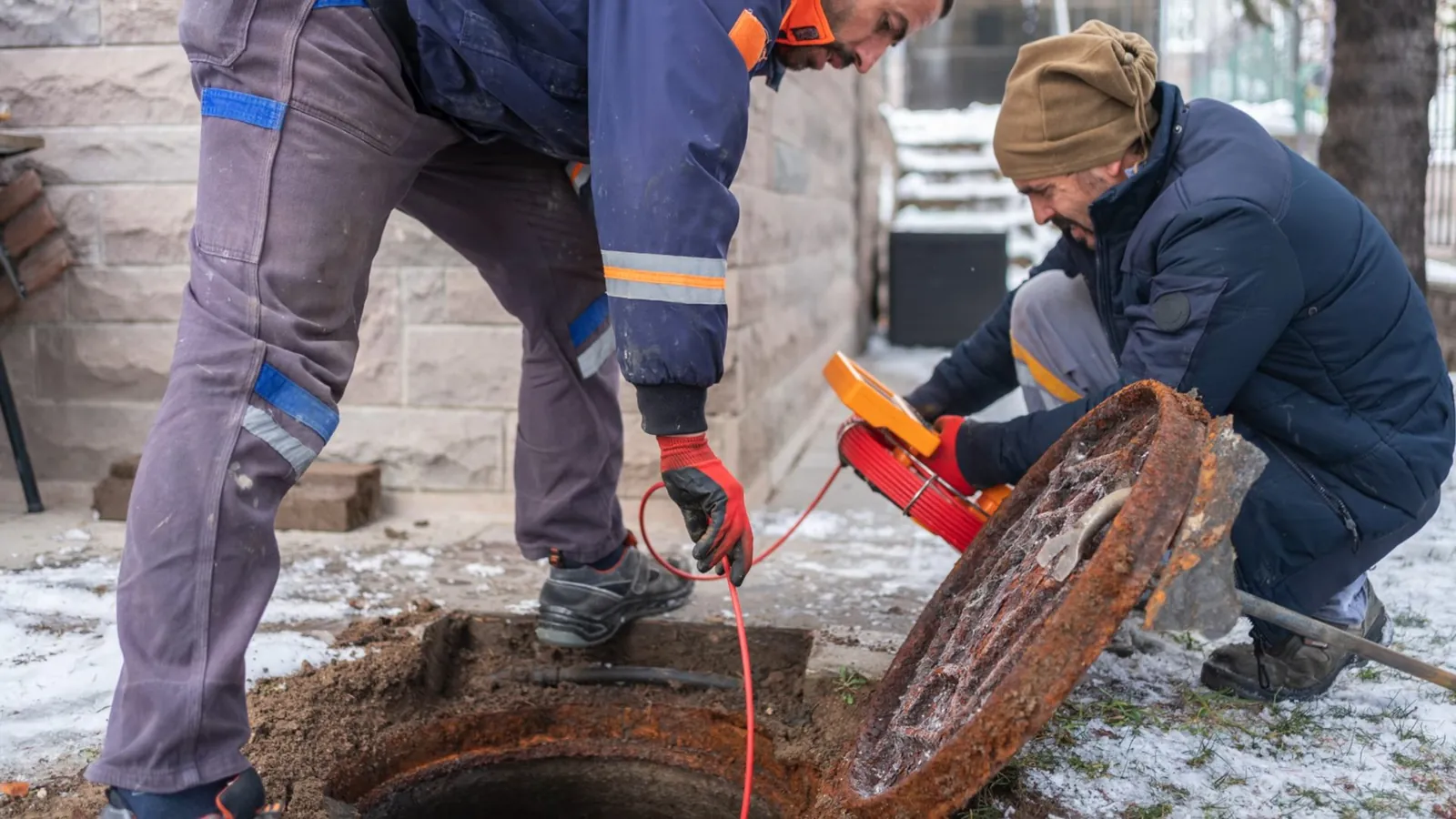
Sewage coming up a drain: the first steps
A sewer backup is urgent because the waste has nowhere to go but into the lowest opening in the house. The lowest tub, shower or floor drain is where it usually appears, and every fixture upstairs feeds the same line.
- Stop running water: no flushing, no laundry, no dishwasher.
- Keep people and pets out of the wet area and avoid contact with the water.
- Do not pour chemicals into the drain; they will sit in the line and endanger the plumber.
- Call the dispatch line and tell the dispatcher where the water appeared first.
- Photograph the area for any insurance claim before cleanup begins.
Whose pipe is it? The owner and Aurora Water
According to Aurora Water, the homeowner owns and maintains the sewer service line that runs to the city main. That includes the tap connection (a tee or saddle) and any street or sidewalk repair the fix requires. The utility’s side is the main under the street, alley or easement, plus the manholes, and it responds to main blockages (Aurora Water, Wastewater).
| Part of the system | Responsible party | What to do |
|---|---|---|
| Fixture drain and house drain | Property owner | Plumber clears or repairs |
| Sewer service line, house to main | Property owner | Plumber cameras, cleans or repairs |
| Tap connection on the main | Property owner | Plumber and, if needed, the utility’s requirements |
| Street or sidewalk repair after fixing the line | Property owner | Plan for it in the repair scope |
| Sewer main, alley or easement, manholes | Aurora Water | Call if the main is blocked |
In practice, call a plumber first. If the camera shows the blockage in the main, the plumber can tell you so and the utility takes over. If the problem is on your side, you already have the right person on site. Owners, not tenants, hold the Aurora Water account (landlord resources).
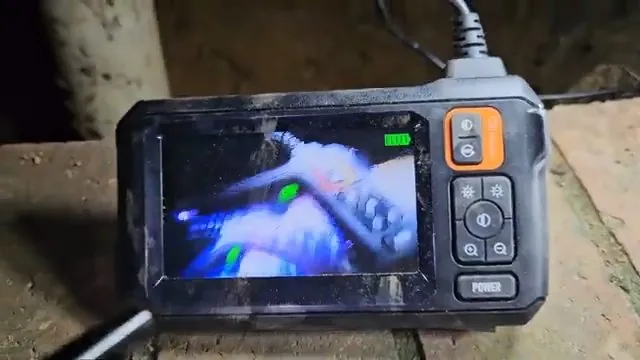
What a sewer camera shows, and what to keep
A camera on a flexible cable goes in through a cleanout, a pulled toilet or a floor drain and sends back a picture of the pipe. It shows roots, cracks, offset joints, sagging sections where water pools and the material of the pipe. The utility itself suggests having a plumber video the sewer line, and points out that the water service line cannot be filmed the same way (Aurora Water, service line protection plan).
Ask for the recording and for the footage to be tied to a distance from the cleanout. That lets you compare quotes, and it lets a second plumber see what the first one saw. A camera is also a sensible step when a clog returns, when a floor drain smells or when a slab has cracked.
Need the line inspected? Call the dispatch line.
Call (303) 567-7524Cleaning, spot repair, lining or replacement?
The camera result decides the repair. The options run from least to most disruptive, and the plumber should tell you why a more disruptive option was recommended over a less disruptive one.
| Option | Fits when the camera shows | Trade-off |
|---|---|---|
| Cleaning with a cable or hydro jet | A clog or grease and scale, with the pipe otherwise sound | Restores flow; a damaged pipe can clog again |
| Spot repair | One cracked or offset section | Digs only at that point; the rest of the line stays as it is |
| Lining or pipe bursting (trenchless) | A longer run of damage where digging is hard | Less surface digging; not suited to every pipe or every bend |
| Full replacement | Collapse, widespread cracking or pipe material that has failed | Most disruptive; settles the question for the whole run |
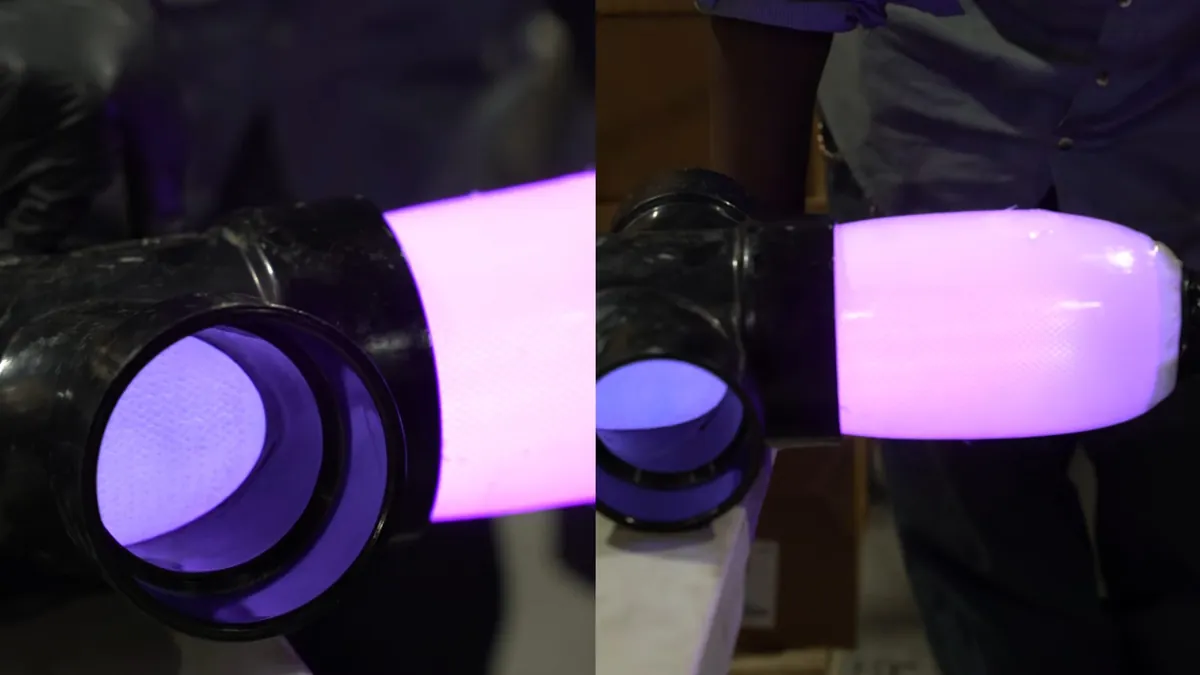
Roots find cracked joints and enter in search of water. Cutting roots clears the line for a time but does not seal the joint. Older lines made of clay, cast iron or fiber pipe sold as Orangeburg are more prone to cracks, collapse or root entry than modern plastic pipe, and the camera tells which you have.
Permits, 811 and the private locator
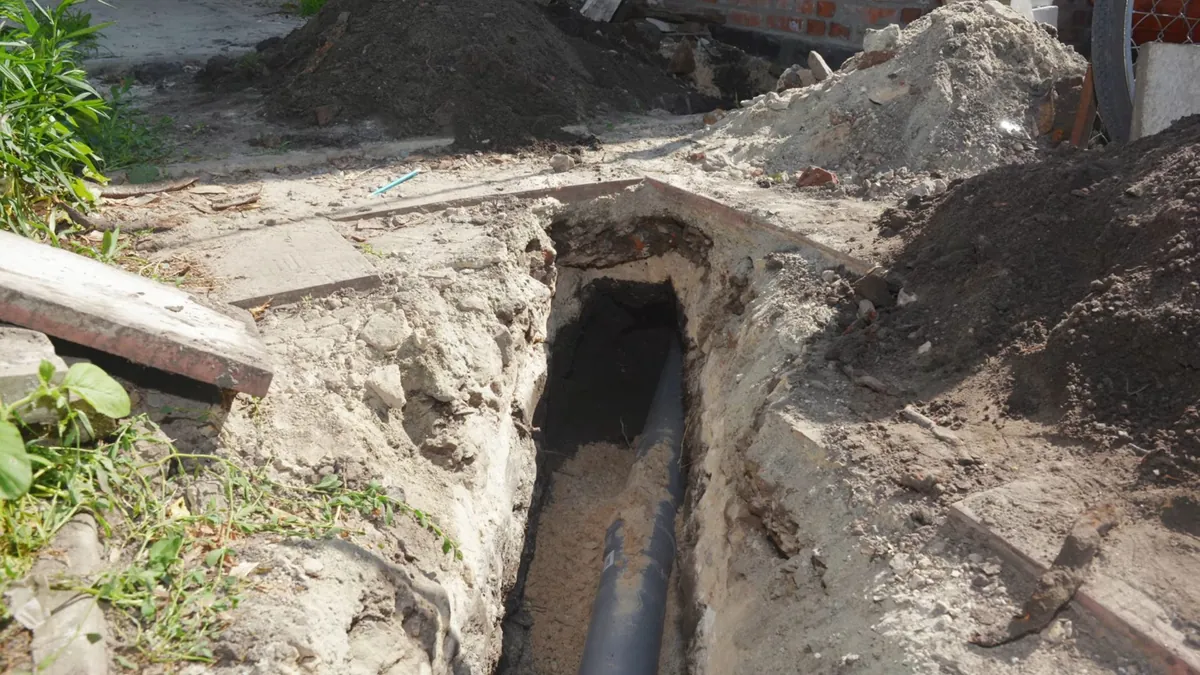
Digging calls for an 811 locate before a trench or a bore. The locate marks public utilities only. Sewer and water service lines are private, so a private locator is a separate step for your own lines. The state 811 site gives the lead time in business days, and its two pages give different numbers, so ask the plumber to confirm the timing (Colorado 811).
A repair that replaces part of the line may need a permit, so ask who applies. Call the City Permit Center at 303-739-7420 for questions (Aurora permits and inspections). Licensing is the state’s job; the City keeps each contractor’s master license and registration on file, and its lookup tool shows them. Ask the plumber for license details before work gets under way.
Sewer smell and a trap that will not hold water
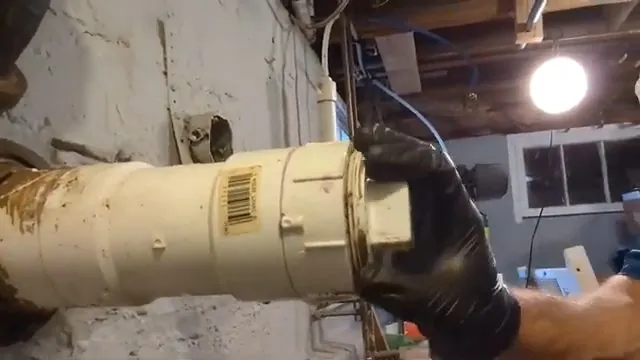
A smell near a floor drain or in a bathroom often comes from a dry trap, a leaking drain connection or a line problem. A P-trap that does not hold water, a slow leak under a vanity and a sewer smell in the same bathroom are worth a camera, because a slope problem or a break in the branch line can cause all three.
Other sewer problems the same call covers
Cleanout installation, a sewer smell in the yard, cast iron, clay and Orangeburg lines and after-hours backups all go through the same dispatch line. For a simple clog in one fixture, see the drain page.
Jetting, laterals and trenchless methods
Sewer jetting service uses high-pressure water to scour grease and roots from the pipe wall, and it is often the cleaning step before a camera run. Sewer lateral repair covers the line from the house to the main, and the choice of trenchless versus open-trench repair depends on depth, pipe condition and what sits above the line.
Sewer line questions
The main sewer line is clogged and backing up. What are my two options?
Option one is to clear the line with a cable or hydro jet, which is quick and restores flow. Option two is to clear it and camera it to find why it blocked. Pick the second if this is not the first backup.
If the camera shows a break or roots, the plumber can price a repair or replacement before anyone digs.
Who do I call for a clogged sewer line?
Call a plumber through our dispatch line. The line from the house to the main is the owner’s in Aurora, so the plumber is the first call.
If the plumber finds the blockage in the main in the street, alley or easement, Aurora Water handles that part.
My master bath smells like sewage and the P-trap will not hold water. Should I get a camera?
Start with what the trap and the drain show: a trap that loses water may be leaking, venting poorly or sitting on a damaged branch. Fill the trap and watch it for an hour.
If it drops again or the smell persists, a camera inspection finds a slope problem or a crack that a trap replacement will not fix.
How do I get my sewer line repaired, step by step?
1. Call and describe the symptom. 2. Have the line cameraed and ask for the recording. 3. Decide between cleaning, a spot repair, lining or replacement. 4. Ask who pulls any permit and when the inspection is. 5. Confirm the locates before any dig.
Ask for the scope in writing, including street or sidewalk repair, which the owner covers.
What do I do during a sewer backup, and who handles the cleanup?
Imagine water rising in the basement tub at night. Stop all water use, keep everyone out of the area and call the dispatch line, which answers at any hour.
The plumber clears the line. Cleanup of soaked material is a separate job, handled by water damage restoration.
What is a sewer camera locate, and when should I do it?
A camera locate follows the camera with a receiver above ground, so the depth and position of a problem is marked on the surface. It helps before any dig.
Do it when a backup recurs, when a floor drain smells or before buying a home with an older line. Keep the recording.