 Aurora CO Plumbers Den
Hard water signs and testing: is it a problem in your house?
Hardness is dissolved calcium and magnesium. Signs include white crust on faucets and shower heads, spots on glasses, soap that does not lather and a water heater that rumbles from scale. These signs depend on hardness and on how long the water runs through a fixture.
What does Aurora’s water measure? The utility’s 2026 report puts hardness at an average of 136 ppm as calcium carbonate, about 8 grains per gallon, and a daily range that runs from 87 up to 198 ppm (Aurora Water report). That is moderately hard water. Retail and vendor sites often quote harder numbers than the utility’s own measurements, so use the report and test your tap.
| Question | A softener | A filter | Reverse osmosis |
|---|---|---|---|
| Removes hardness minerals | Yes | No | Yes at one tap |
| Removes sediment, chlorine taste | No | Yes, with the right cartridge | Yes |
| Covers the whole house | Yes | Yes | Usually one tap |
| Needs salt and a drain | Yes | No | Drain connection |
| Best for | Scale and spots | Particles, taste | Drinking and cooking water |
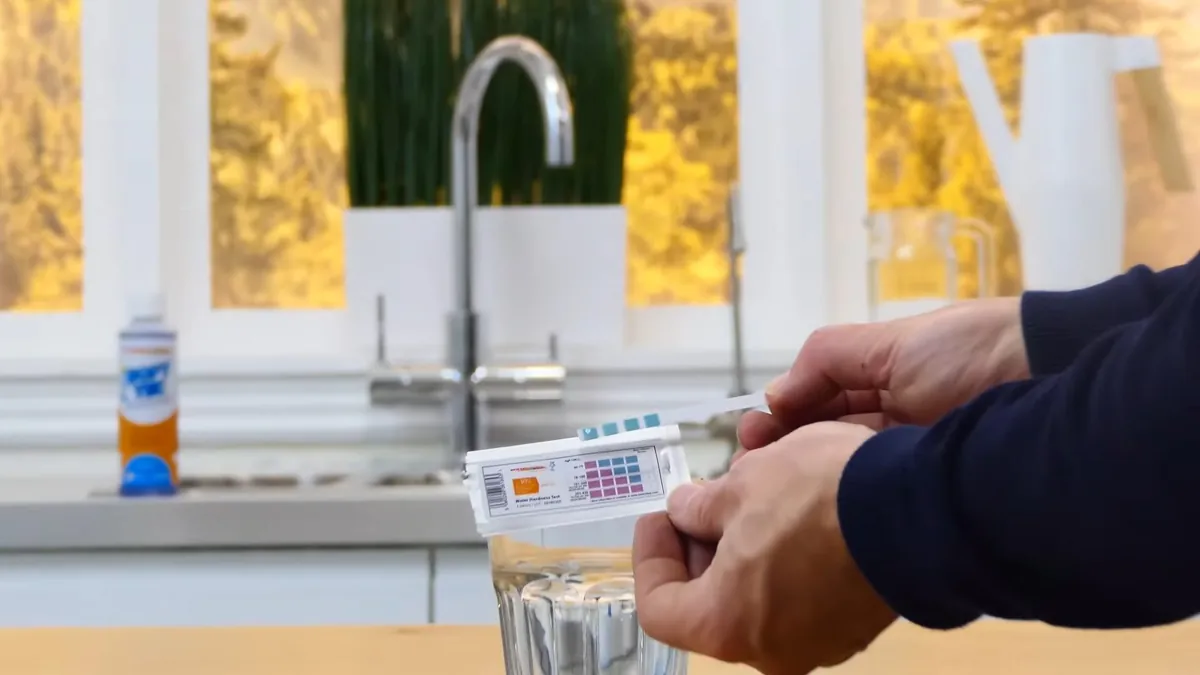
Do now if scale worries you: buy a test kit or ask a plumber to test hardness at the tap. Can wait: spotting on glasses with no scale in the pipes. A softener is optional at moderate hardness, and the decision rests on how much scale you see and how much it costs you in maintenance.
Want a plumber to check your water? Call the dispatch line.
Call (303) 567-7524Reverse osmosis: when a single tap needs it
A reverse osmosis system pushes water through a membrane to remove dissolved solids, and a small tank stores the result for a dedicated faucet. It suits drinking and cooking water. It wastes some water to its drain and needs the filters and the membrane replaced on schedule. The same kind of system can serve an ice maker, which is why an ice machine filter appears in this group.
Installing a softener
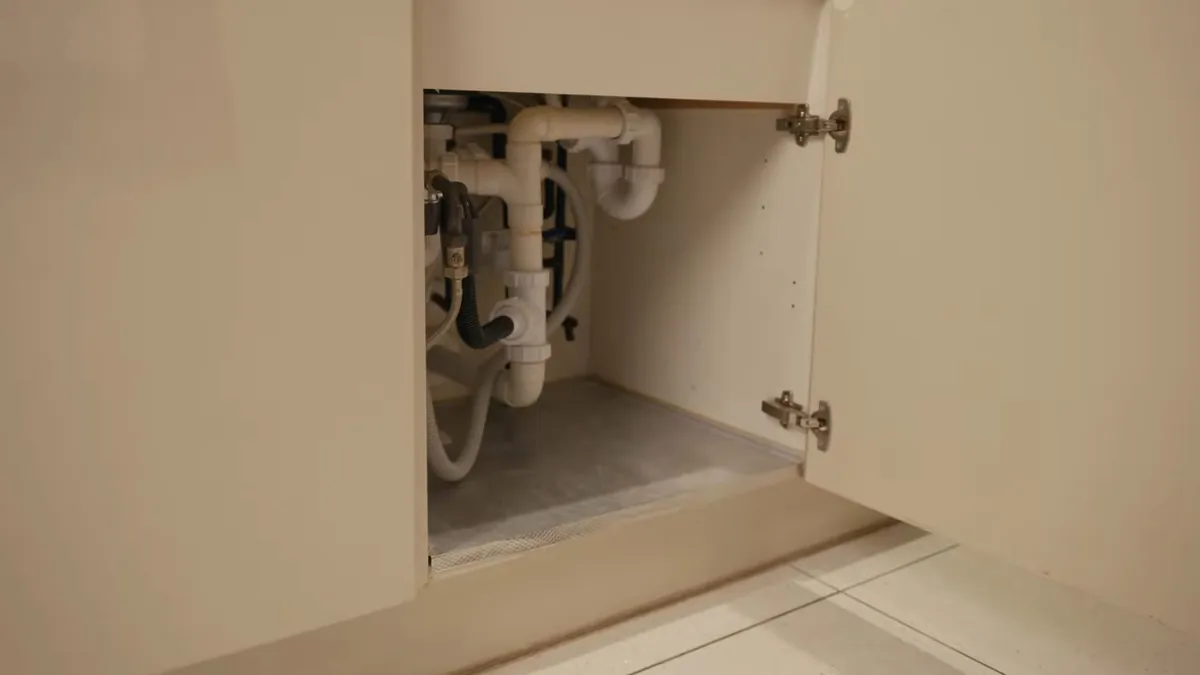
A softener goes on the main water line after the meter, ahead of the water heater. It needs a drain for regeneration, an overflow path, power for the control valve and a place for salt. The plumber sets a bypass, so the system can be isolated, and programs the unit to the hardness. Ask where the drain line will run and how the overflow is handled.
Colorado law on water conditioning work says licensed plumbers and registered plumbing contractors may do it without a separate registration, while others need a water conditioning registration (HB24-1344). Ask who installs and what registration they hold.
Softener maintenance, salt and regeneration
A softener regenerates by flushing brine through its resin, which then discharges to a drain. Salt goes in the brine tank, and the level should stay above the water line. A salt bridge, a crust that stops salt from dissolving, is the most common cause of hard water returning. Break it with a broom handle and check the level.
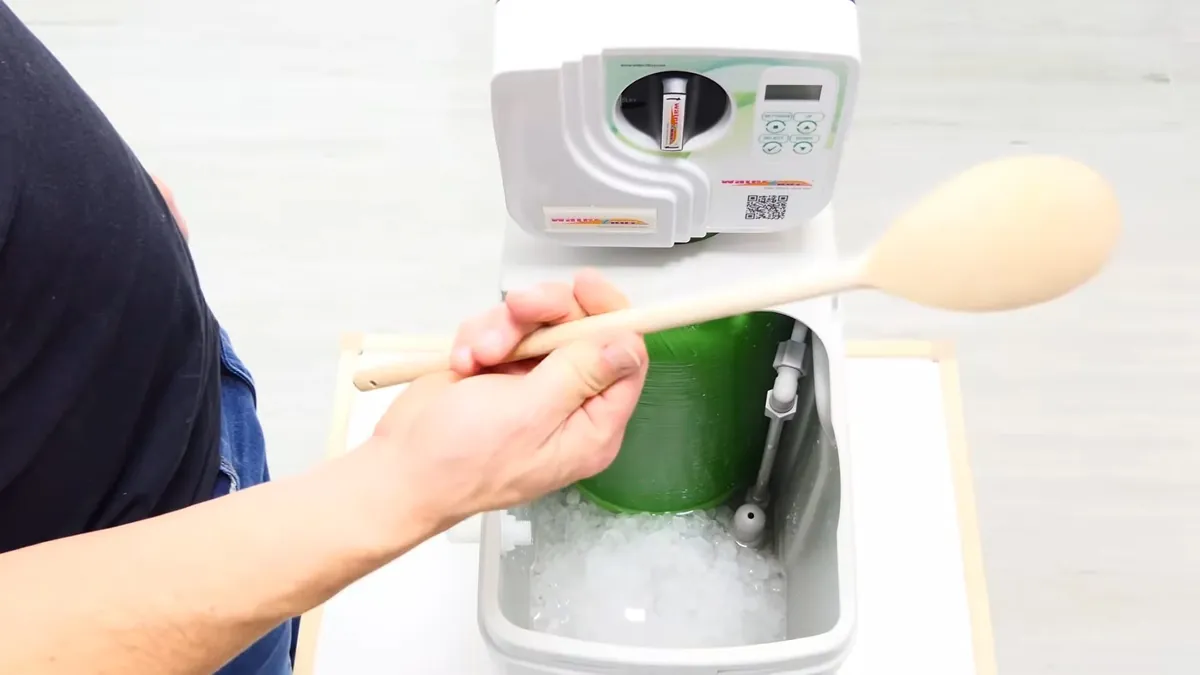
Ask the installer how the regeneration discharge is connected, and keep the drain line without kinks. If your home belongs to an HOA or a district, ask whether it has rules on softeners.
Whole-house filtration
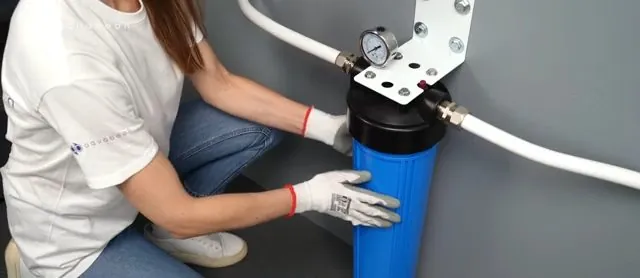
A whole-house filter protects every tap and appliance. A sediment filter catches sand and rust. A carbon filter reduces chlorine taste and odor. Filters need new cartridges on a schedule, and pressure drops when they clog. Choose by what you want removed, not by the label, and ask what the cartridge costs to replace every year.
Softener repair, service and valve replacement
Common softener faults are a failed control valve, a stuck brine valve, a salt bridge, a clogged injector and an overflow. A water line leak at a softener, or a valve replacement or reinstall after a move, calls for a plumber. A refrigerator water line valve that fails near a softener can also cause confusion, because both sit on the same line.
Under-sink and drinking water filters
An under-sink filter adds a cartridge to one cold tap. It is the lowest-effort way to improve taste. Replace the cartridge on the schedule on the housing, because an old cartridge can pass what it once caught.
Hard water solutions fall into two groups: an ion exchange water softener removes hardness, and a filter or reverse osmosis unit addresses taste and particles instead.
Softener and filter questions
A softener overflowed and a fridge water line valve failed in the same week. Are they related?
Imagine water pooling in a basement corner near both. They may share a cause, such as a pressure surge on a shared line, or they may be unrelated.
A plumber checks the softener drain and overflow line, then the valve on the refrigerator line, and tests the pressure.
What are the signs of hard water, and what should I do now?
Do now: look for white crust on fixtures, spots on dishes and a water heater that rumbles. Test the tap with a kit.
Can wait: spotting with no scale in the pipes. Aurora’s water is moderately hard, so a softener is optional.
My softener valve needs replacing. Repair or replace the whole unit?
Replace the valve if the tank and resin are in good shape. Replace the whole unit if it is old or the resin is worn.
The plumber should test the resin and the tank before deciding.
Where does a softener’s brine go, and how does regeneration work?
A softener uses salt as brine to regenerate its resin, and the used brine goes to a drain line the installer connects, usually to a standpipe or floor drain with an air gap.
Ask the installer to explain the discharge connection and any local rule that applies to it.